
How to Win in the AI Era: A Strategic Guide for Creative Professionals

Priyank Deep Singh
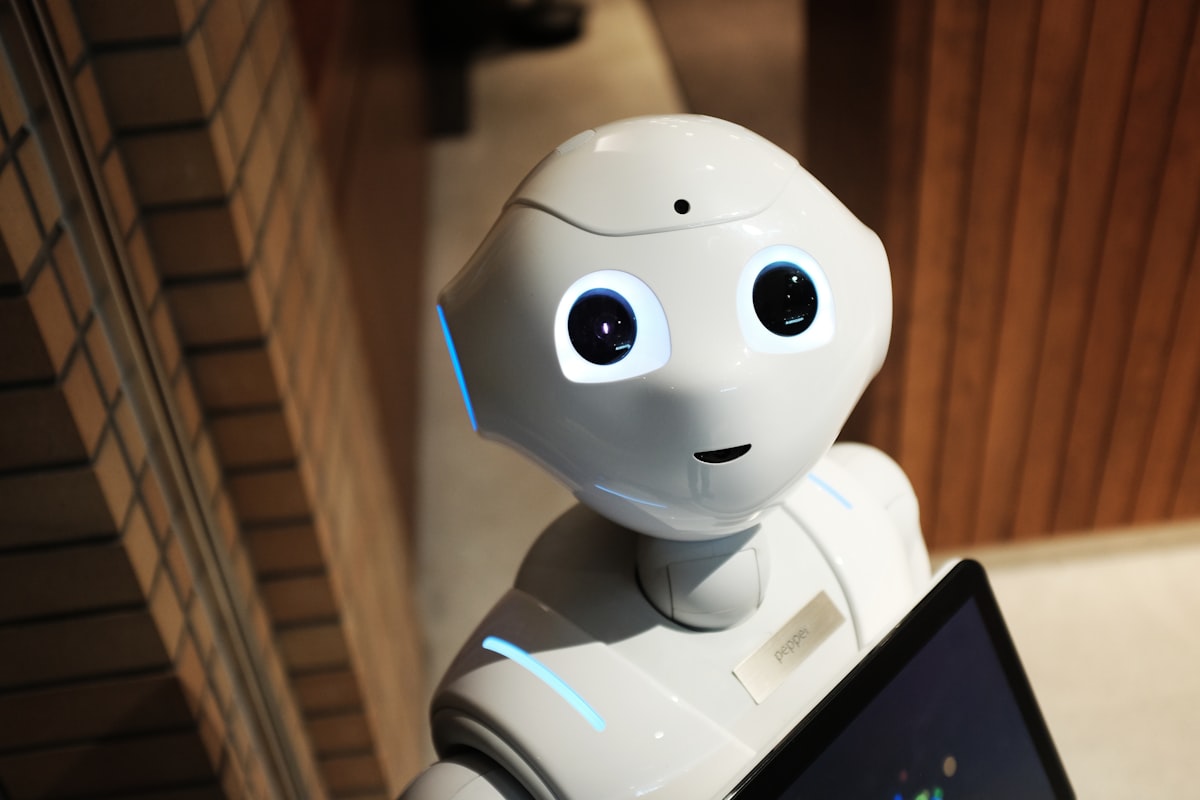
How ChatGPT-5 Will Transform Design & Frontend Development
Artificial Intelligence has been making quiet waves in design and frontend for years, but ChatGPT-5 is the point where the ripples turn into a tide.
If you're a UI/UX designer, frontend engineer, or creative developer, this upgrade is going to impact your workflow, your tools, and your skillset in ways you can't ignore.
While GPT-4 impressed us with code snippets and design prompts, ChatGPT-5 takes context understanding, design sense, and code accuracy to another level. It's not just spitting out components anymore-it's becoming a true creative and technical partner.
Why ChatGPT-5 Is Different
ChatGPT-5 represents a fundamental leap in AI capability, moving from simple code generation to comprehensive design and development partnership.
What ChatGPT-5 Can Do
Based on current AI development trends, here's what we can realistically expect.
Production-Ready Component Generation
Generate complete React, Next.js, Svelte, and Vue components with responsive design built-in from simple descriptions.
Examples:
Design System Integration
Interpret design systems and convert Figma mockups directly into working frontend code with pixel-perfect accuracy.
Examples:
Real-time Optimization
Suggest accessibility improvements and performance optimizations automatically during development.
Examples:
User Experience Simulation
Help designers run usability tests by simulating user flows with natural-language scenarios.
Examples:
Impact on Design & Frontend Teams
Here's how ChatGPT-5 will transform different aspects of creative and technical work.
Speed Overhaul
Tasks that once took days-designing multi-screen layouts, creating component libraries, setting up style guides-can now be drafted in hours.
Democratization of Design
Non-designers will generate polished UI mockups using prompts. More competition, but also more opportunities to focus on experience over execution.
Code Quality & Consistency
AI-generated code is cleaner, more semantic, and aligned with modern frameworks. Includes unit tests and linting rules automatically.
Enhanced Collaboration
Designers, frontend engineers, and product managers use the same AI workspace, reducing back-and-forth and speeding up iterations.
Challenges & Risks
Over-reliance on AI
Teams risk losing core coding/design skills if they let AI handle everything without understanding the fundamentals.
Generic Outputs
Without strong direction, AI can produce 'template-looking' results that lack brand personality and unique design elements.
Security Blind Spots
AI can generate insecure code if prompts aren't specific about best practices and security considerations.
How to Adapt & Stay Ahead
Practical strategies to not just survive, but thrive in the ChatGPT-5 era.
Master Prompt Crafting
Treat prompting like a programming skill. The clearer and more context-rich your instructions, the better the results.
Pair AI with Human Creativity
Let ChatGPT-5 handle boilerplate code, component scaffolding, and accessibility checks-then refine manually to inject brand uniqueness.
Learn AI-Integrated Tools
Tools like Figma's AI plugins, Vercel AI SDK, and GitHub Copilot X are evolving alongside ChatGPT-5. Adopt them early.
Focus on Strategy & Experience
As execution becomes faster, value shifts to strategic thinking-UX research, storytelling, and creating experiences AI can't replicate.
Keep Security & Performance in Check
Always run AI-generated code through security audits, performance profiling, and manual reviews before production. ChatGPT-5 is powerful, but it's not infallible.
Essential Checks:
Security Audits:
Review for vulnerabilities, input validation, and secure coding practices
Performance Profiling:
Test load times, bundle sizes, and runtime performance
Manual Reviews:
Human oversight for logic, edge cases, and business requirements
Accessibility Testing:
Verify WCAG compliance and inclusive design principles
The Next 3-5 Years
Early Adoption Phase
ChatGPT-5 becomes mainstream in design and development workflows. Early adopters gain significant competitive advantages.
Integration Maturity
AI-integrated tools become standard. Teams that haven't adapted struggle to keep pace with market demands.
New Standard
AI-enhanced workflows become the norm. Human creativity focuses on strategy, innovation, and complex problem-solving.
By 2028, frontend and design workflows could be 70% AI-assisted. That doesn't mean designers and developers disappear-it means the best will use AI to do more in less time, leaving space for innovation, experimentation, and human-led creativity.
Final Takeaway
ChatGPT-5 is not replacing frontend developers or designers-it's replacing slow, inefficient workflows. If you can merge your creativity with AI's efficiency, you'll thrive in this new era.
The ones who adapt now-learning how to collaborate with AI rather than compete with it-will lead the next generation of product design.
"The future belongs to those who can dance with AI, not fight against it."
Experience AI-Enhanced Design Today
Don't wait for ChatGPT-5 to start your AI journey. ColorBrew.co demonstrates how AI can enhance creative workflows right now.
Explore ColorBrew.coWritten by Priyank Deep Singh
Creator of Colorbrew.co